


our roots
Power of TFB
The natural richness of authentic NZ Mānuka, bottled with care.
 MGO
50+
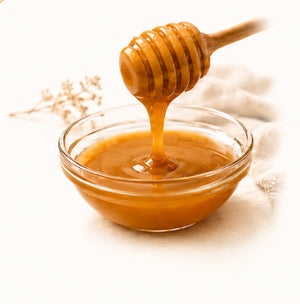 By the spoon1–2 tsp a day, straight from the jar.
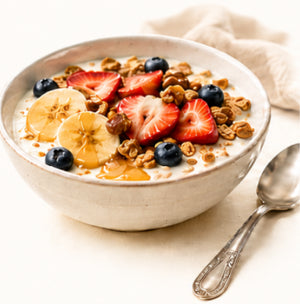 On breakfastStir into yoghurt, oats or smoothies.
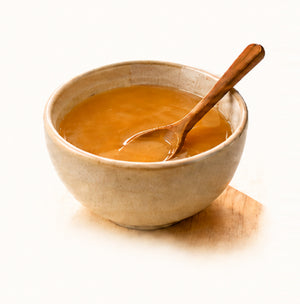 In warm drinksTea or lemon water — warm, not boiling.
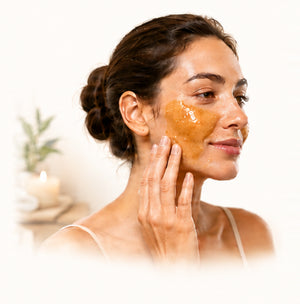 On skinA simple, natural face mask.
Actual packaging may contain more and different information than shown here. Always read labels, warnings and directions before use.
MGO (methylglyoxal) is the natural compound that sets Manuka apart. The higher the number, the more potent — and the rarer — the jar.
Authentic New Zealand Mānuka with a commitment to quality, purity and transparency — so you always know what you're choosing.
The natural richness of authentic NZ Mānuka, bottled with care.
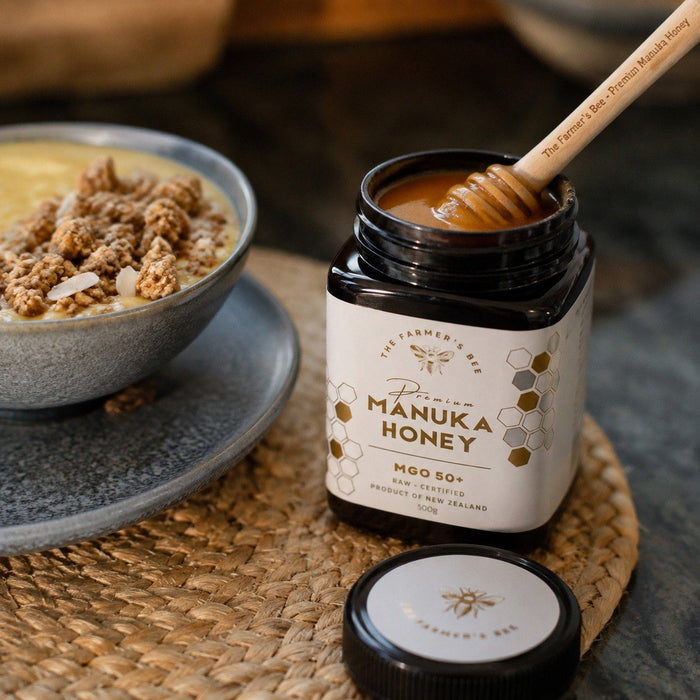
Carefully selected honey, tested to verify key quality markers.

Different MGO levels offer different measured strengths.

From MGO 50+ to 829+, every grade is clearly defined.


Straight from the jar, before coffee. Let it melt slowly.
Drizzled over Greek yoghurt with berries and oats.
Stirred into warm lemon water or tea once it's cooled a little.
A small spoon with chamomile as the day slows down.
Still curious? Our team is happy to help you pick the right jar.
Contact usMGO stands for methylglyoxal, the naturally occurring compound that gives Manuka its distinctive properties. The higher the MGO number, the more potent the honey.
Lighter grades (50+, 83+) suit everyday use; higher grades (263+, 514+, 829+) suit more targeted routines. Not sure? Take our quiz.
Yes — every batch is independently lab-tested in New Zealand to confirm its MGO level and authenticity.
Manuka honey is generally considered safe for pregnant women and children over one year old. Honey should never be given to infants under 12 months. If in doubt, check with your doctor.
Manuka trees flower for only two to six weeks a year, and only some of that harvest reaches the highest MGO levels.